Outerwear that is stylish and comfortable
Through harsh Russian winters, each of us keeps warm with thoughts of beautiful, alluring outerwear. But do you know the names of the pieces hanging in your wardrobe?
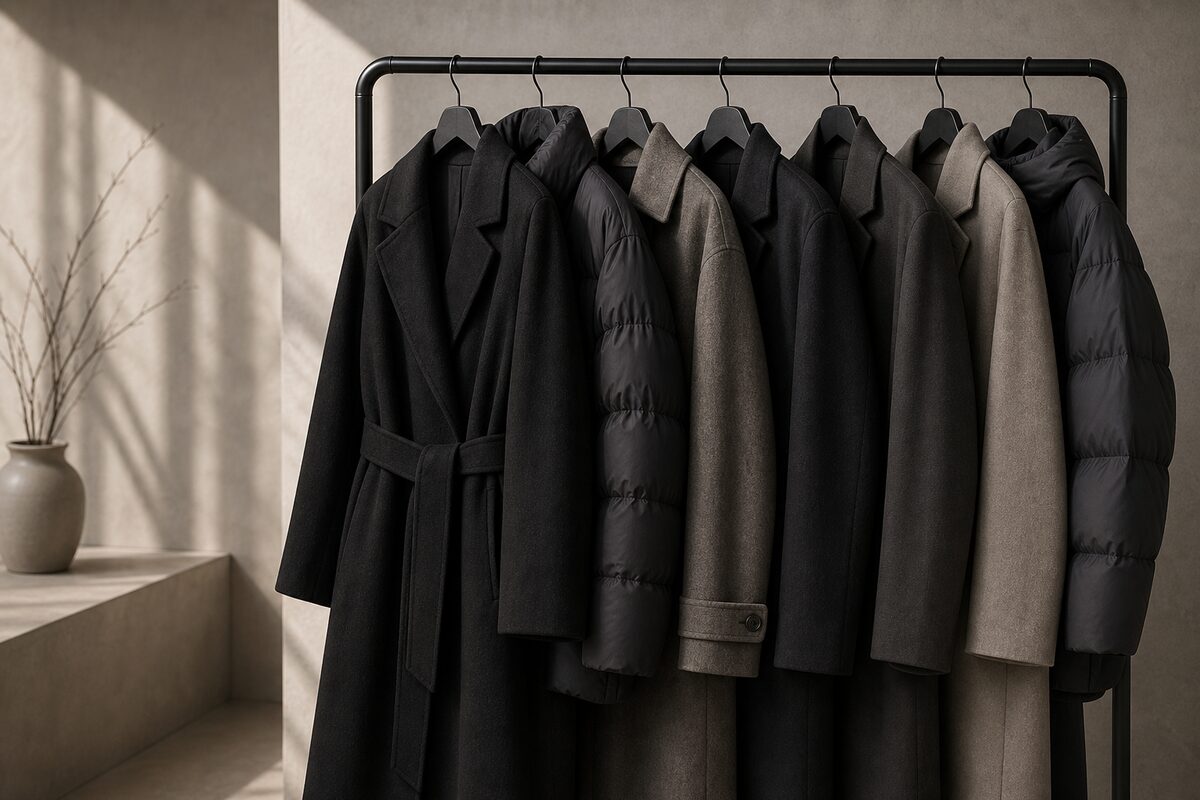
What outerwear is and what types exist
Outerwear is the term for all the clothing worn over dresses, trousers, suits, blouses and so on. It comes in an enormous variety of cuts, colours and fabrics, and can be a basic staple or an on-trend piece. Many people think that outerwear must necessarily be warm. A coat or a fur, for instance, is associated by everyone exclusively with outerwear. But that is far from the case. Summer capes worn over dresses or lightweight jackets are also considered outerwear.
Types of outerwear
First and foremost, outerwear is divided into types by season. Coats, trench coats and jackets can be worn at any time of year. It all depends on the material used to make the piece.
Summer clothing. As a rule, clothing at this time of year is light, short, made of unstructured fabrics in bright colours. Here the standouts are:
Bomber jackets. These are sporty jackets that fasten with a zip. There are always elasticated cuffs and a ribbed hem. Bombers pair well with both sporty and casual styles.
Jackets. These can be made of leather, denim or lightweight fabrics. They are often adorned with metal studs, chains or rhinestones.
Windbreakers. One of the most common summer options. They differ from one another in the cut of the collar or sleeves. They are made of waterproof shell fabric.
Note! Many women like to add a poncho to their summer look, a piece that came to us from America. This type of garment is made of dense wool with a slit for the head.
Spring clothing. The job of outerwear in spring is to be light yet warm at the same time, since after the winter chill it is still nippy outside. In spring, coats are worn first and foremost. A coat can be:
classic;
double-breasted;
fastening-free.
As an alternative, you can choose a jacket:
The biker jacket. Its biker styling fits perfectly into any look.
The field jacket. A jacket model whose hood easily converts into a collar. It was originally designed for the armed forces, but later made its way into the fashionable woman's wardrobe.
The autumn outerwear collection is bursting with variety.
Cashmere coat (belted, straight or fitted in cut, for example).
The anorak. A waterproof hooded jacket that fits perfectly into a sporty style. It is pulled on over the head.
The duffle coat. This is a single-breasted hooded coat with a straight silhouette and a three-quarter length.
Attention! During rainy spells, jackets and padded coats are common. They can have either a straight cut or a belted one. A popular model is the kimono jacket.
The winter season calls for layering up. A padded coat, an insulated sports jacket or a fur becomes indispensable. Thanks to a hood and fur trim, all these models will protect you from the snow. For cold weather you can choose a parka. This model is similar to a jacket, only with a longer, looser cut.
What characteristics outerwear has
Clothing performs not only the function of protecting the body from cold, rain or snow, but also a psychological one. The range of materials is constantly being updated, with new fabrics and models appearing, yet despite this, the core characteristics apply to every type of outerwear.
The bulk of buyers have identical requirements:
The ability to shield the body from unfavourable weather conditions, protecting it from the cold.
Comfort. The garment should not restrict movement and should fit the figure.
Functionality. The piece should be easy not only to put on and take off, but also to wash and iron at home or at the dry cleaner's.
Hygienic requirements: thermal protection, hygroscopicity (i.e. the ability to absorb moisture) and breathability.
Reliability and durability. As the piece is used, its properties should not decline sharply. Over the garment's lifetime, the fabric colour, hardware, size and material should remain in an aesthetically acceptable condition.
Repairability. When buying a garment, the customer assesses its capacity to be restored in the event of minor damage.
Aesthetic qualities, meaning the model should appeal to the buyer in terms of taste, style, fashion, needs and so on.
Storability, i.e. the model's ability to remain in the same condition after seasonal storage without use.
How to choose the right outerwear
When choosing a piece, you need to understand that any garment performs its own specific functions. For example, outerwear for festive occasions should first and foremost be aesthetically beautiful; for everyday life, alongside beauty, you need to pay attention to ease and comfort. Based on these requirements, you should choose clothing by style, materials and the hardware used.
Note! Your choice should be guided by the buyer's anthropometric and physiological characteristics. The garment should match your height, size and build. With outerwear, the degree of fit matters, which is achieved through ease allowances.
When choosing a piece of outerwear, you need to be guided by your figure type. Women with curvy figures should not choose overly fluffy furs or voluminous coats and jackets. To avoid making the figure look heavier, pay attention to fitted double-breasted coats.
Women with a triangle figure will suit fitted silhouettes with voluminous collars or fur to create volume around the shoulders or bust, in order to balance the figure. Belted models will look excellent. A coat or a padded coat, for instance.
With an hourglass figure, it is better to avoid straight silhouettes. In this case, draw attention to the waist.
Those with a pear-shaped figure are advised to avoid large hoods or oversized collars. In this case, fitted silhouettes, as well as the cocoon shape, fit harmoniously into the look. Where possible, choose a model with a set-in sleeve so as not to make the shoulder area look heavier.
The slender body type is one of the easiest when it comes to choosing a coat, fur or jacket. Almost any silhouette will suit here; you can use bright fabrics or vary the piece with panels of different materials.
When choosing a model, you must remember that the wrong silhouette can make petite women look even shorter, and slim ones look heavier. Women of small stature should not choose jackets or sheepskin coats that reach the hips, since the silhouette is visually cut in half and the look appears unbalanced. Choose either short models or knee-length ones. Tall women can experiment with the length of the piece while observing all the proportions.
When choosing outerwear, everyone wants not only to keep warm but also to highlight all their assets while carefully concealing their flaws. Knowing a few rules when choosing models, you will easily find the right option for yourself, looking fashionable and stylish in any weather.